
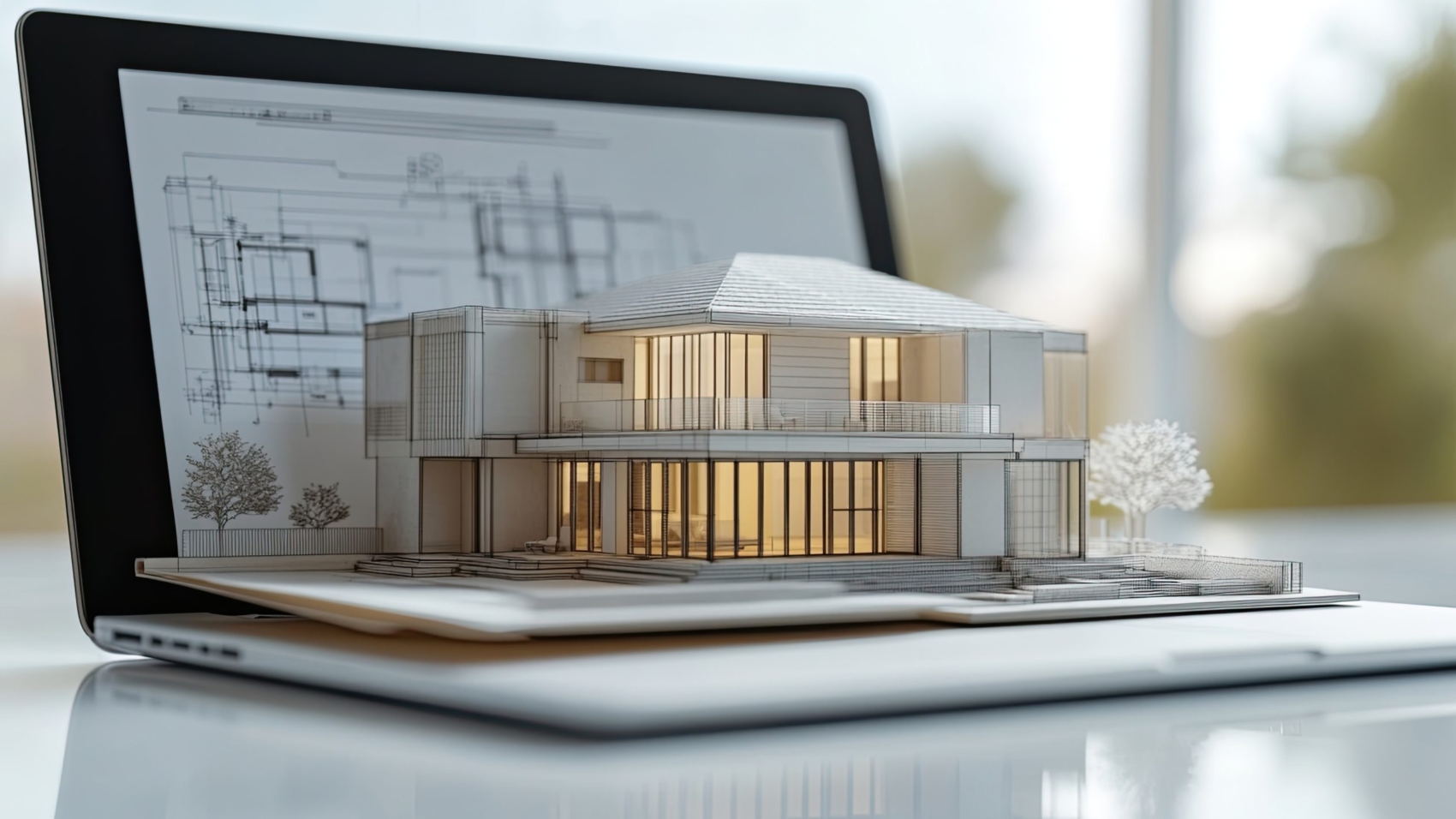
The Architecture of a Successful Home Search

A productive home search is not simply a matter of browsing listings until something feels right. It is a process of gradually turning a broad idea into a specific understanding of what kind of home can support a particular way of life.

That process has several layers.

First comes self-awareness. Then research. Then comparison. Then physical evaluation. Finally, there is the transition from possibility to commitment.

Thinking of the search as a structured process can make each stage easier to manage.

Stage One: Define the Life, Not Just the House

Before looking at individual properties, consider what everyday life should look like.

A person who works remotely may need quiet and dependable workspace. Someone who enjoys cooking may prioritize kitchen functionality. A household that frequently hosts visitors may value flexible common areas. Someone who prefers minimal maintenance may have very different priorities from someone who enjoys hands-on projects.

These differences matter.

The same floor plan can be highly practical for one household and awkward for another.

Stage Two: Establish a Practical Framework

Once priorities are understood, they can be translated into measurable characteristics.

Instead of saying, “I want a comfortable home,” identify what comfort means.

It might mean natural light, adequate storage, a quiet sleeping area, manageable upkeep, useful outdoor space, or a layout that separates work and relaxation.

Specific criteria make the search easier to organize.

They also make it easier to explain why one home fits better than another.

Stage Three: Research Before Emotion Takes Over

Online listings can create strong impressions before a buyer ever enters the home.

Photography, staging, descriptions, virtual tours, and floor plans are designed to communicate possibilities.

They are useful, but they are not the same as experiencing the home.

Research should therefore provide a preliminary understanding rather than a final conclusion.

Look at available documentation, property details, known improvements, and practical characteristics before becoming emotionally attached to a particular listing.

Stage Four: Visit With a Purpose

A home visit should answer questions.

How does the layout feel when moving through it?

Are rooms proportioned realistically?

Is there enough storage?

How does natural light change between spaces?

Are there unusual sounds or smells?

Does the home feel easy to navigate?

What appears well maintained?

What deserves further investigation?

A purposeful visit produces observations that are much more useful than simply deciding whether the house “feels nice.”

Stage Five: Investigate the Physical Condition

Once a home becomes a serious candidate, deeper evaluation becomes important.

Inspection, documentation, maintenance history, and specialist assessments can reveal information that a viewing cannot.

This is where patience becomes valuable.

A property may look compelling, but a buyer should understand its physical condition before moving toward a final commitment.

Stage Six: Compare the Whole Picture

Comparison is most useful when it includes more than appearance.

Consider the relationship between:

  • location and daily routines;
  • layout and household needs;
  • condition and future maintenance;
  • financing and broader finances;
  • improvements and their practical value;
  • present suitability and future flexibility.

A home rarely wins every category.

The objective is to understand the complete picture rather than allowing one attractive feature to dominate the decision.

Stage Seven: Read the Documents Carefully

As the process advances, paperwork becomes increasingly important.

Contracts, financing documents, inspection reports, disclosures, and closing documents each describe a different part of the transaction.

The CFPB recommends reviewing closing documents in advance and comparing important details with earlier documents rather than assuming everything remains unchanged.

This is an area where slowing down can be more valuable than moving quickly.

If something is unclear, questions should be asked before signatures are placed on documents.

Stage Eight: Perform a Final Reality Check

Near closing, the emotional side of the purchase can become especially strong.

The home has already become real. Plans for moving may be underway. Expectations are high.

That is exactly why a final review can be useful.

Does the home’s condition match what was understood earlier?

Were agreed repairs completed?

Do the documents reflect the expected transaction?

Are there unresolved questions?

The CFPB specifically recommends a final walk-through and careful document review before closing.

A Process Creates Clarity

The purpose of structure is not to remove emotion from home buying.

It is to give emotion a reliable framework.

Excitement can remain part of the experience while research, inspection, financial planning, and document review provide additional perspectives.

This creates a healthier decision-making process because no single moment has to carry the entire weight of the purchase.

A successful search is therefore not defined only by how quickly a home is found.

It is defined by how clearly the buyer understands why that home fits, what it requires, and what the commitment actually involves.


The Quiet Revolution Happening Inside Modern Homes

The most meaningful changes in home technology are not always the ones that attract the most attention. A new device may arrive with an impressive display, an unusual design, or a long list of features, yet the real transformation often happens quietly. A light becomes easier to control. A room feels more comfortable without constant adjustments. An appliance communicates what it needs. A familiar routine takes fewer steps.

This gradual shift represents a different way of thinking about technology inside the home. Instead of making every interaction more noticeable, modern devices increasingly aim to become part of the background. They support everyday life without demanding constant attention.

From Objects to Experiences

For decades, household technology was largely defined by individual objects. A television had a remote control. A washing machine had buttons and settings. A thermostat had a physical interface. A lamp was switched on and off manually.

Connected technology has changed that relationship.

Today, a device can become part of a broader experience rather than functioning as an isolated object. A television can become an entertainment hub. Lighting can contribute to the atmosphere of an entire room. An appliance can communicate its status through a mobile interface. A speaker can respond naturally to spoken requests.

The object itself remains important, but the experience surrounding it becomes equally significant.

This is one of the defining characteristics of modern home technology: the boundary between individual products and the environment around them is becoming less obvious.

The Disappearing Interface

One of the most interesting developments is the gradual reduction of visible controls.

Traditional technology often required people to understand exactly which button to press or which setting to change. Newer systems can offer alternative forms of interaction.

Voice commands, gestures, mobile controls, automatic responses, and contextual actions can reduce the need for traditional interfaces. Instead of navigating through several menus, a person may simply state what they want to happen.

This does not mean physical controls are disappearing entirely. They remain valuable because they are familiar, immediate, and dependable. The change is that people can increasingly choose how they interact with their surroundings.

Technology becomes less about learning the device and more about expressing an intention.

Rooms Are Becoming More Responsive

A modern room can respond to changing circumstances in ways that were difficult to achieve with traditional equipment.

Lighting can adapt to different activities. Entertainment systems can change depending on how they are being used. Environmental devices can respond to changing indoor conditions. Displays can provide relevant information when it is needed and remain unobtrusive when it is not.

The important idea is responsiveness.

A responsive environment does not necessarily perform dramatic actions. Often, the improvements are subtle. A room can feel brighter, quieter, warmer, more relaxing, or more convenient without the user consciously thinking about the technology responsible for the change.

This creates an interesting contrast with earlier generations of consumer electronics. Older technology often asked for attention. Newer technology increasingly attempts to give attention back.

Technology That Fits Human Rhythms

Every household has rhythms.

There are periods of activity, moments of rest, busy mornings, quieter evenings, and routines that repeat almost every day. Modern home technology can be designed around these rhythms rather than treating every moment as identical.

For example, lighting can reflect the changing character of the day. Entertainment systems can become part of an evening routine. Household displays can present useful information at appropriate moments rather than continuously demanding attention.

This approach places human behavior at the center of the experience.

The technology is not necessarily trying to change how people live. Instead, it can adapt to patterns that already exist.

The Importance of Small Improvements

Technological progress inside a home is often measured through major features, but small improvements can have a surprisingly large effect.

Consider the difference between repeatedly checking an appliance and receiving a simple notification. Think about the convenience of controlling several pieces of equipment without searching for multiple remotes. Even a small change in how lighting or entertainment is handled can remove a repetitive action from a daily routine.

These improvements may seem insignificant individually. Over weeks and months, however, repeated convenience can become part of the overall character of a living space.

This is where smart technology can have a more human dimension. Its value is not always found in what it can do once. It can be found in what it makes easier hundreds of times.

The Home as a Living Environment

Another shift is the growing recognition that a home is more than a collection of rooms filled with equipment.

Technology can influence how spaces feel and function throughout the day. The same room may serve as a workspace, entertainment area, dining space, or place to relax. Connected equipment can help support these different uses without requiring a complete physical transformation.

This creates greater flexibility.

Instead of designing technology around one permanent function, modern systems can accommodate changing activities. A room can become brighter for focused work, calmer for relaxation, or more engaging for entertainment through relatively simple changes in its technological environment.

The physical space remains the same, but its character can change.

When Convenience Becomes Invisible

The strongest sign that a technology has become genuinely useful may be that people stop thinking about it.

When a device works consistently and fits naturally into a routine, its presence becomes almost invisible. There is no need to celebrate every successful interaction. The technology simply performs its role.

This idea represents a major change in the philosophy of connected homes. The goal is not necessarily to make technology more visible. In many cases, the goal is precisely the opposite.

A well-designed system can reduce friction without creating new responsibilities.

A More Personal Definition of Smart

The word “smart” can sometimes suggest complexity, intelligence, or advanced specifications. In a home environment, however, its meaning can be much simpler.

A smart device can be one that understands its role within a person’s routine. A smart room can be one that supports different activities naturally. A smart environment can be one that provides useful information without overwhelming the people living inside it.

This perspective shifts attention away from the number of devices installed.

A home does not become more thoughtful simply because it contains more technology. What matters is whether that technology contributes something meaningful to everyday life.

Technology With a Human Rhythm

The future of home technology may therefore be less about dramatic machines and more about subtle interactions.

The most successful developments are likely to be those that understand when to respond, when to remain quiet, and when to let people take control themselves. They can simplify familiar tasks while preserving the comfort of human choice.

That is the quiet revolution taking place inside modern homes.

It is not necessarily about turning a house into a futuristic showcase. It is about making ordinary spaces feel more responsive, adaptable, and considerate of the people who use them.

And perhaps that is the most interesting direction for smart home technology: not making everyday life feel more technological, but making technology feel like a natural part of everyday life.

The Numbers Behind a Comfortable Home Purchase

A home purchase can look straightforward when viewed through a single number. Yet the true financial picture is rarely that simple.

The purchase amount is only one part of the equation. Financing, recurring housing expenses, maintenance, taxes, insurance, utilities, and future repairs can all influence how comfortable the home remains after the transaction is complete.

Understanding these layers can help buyers think beyond the initial figure and evaluate the broader financial structure of ownership.

Begin With the Full Monthly Picture

A mortgage payment is often the most visible recurring expense, but it is not necessarily the entire housing cost.

Depending on the home and financing arrangement, a household may also need to account for taxes, insurance, association charges, utilities, maintenance, and other recurring expenses.

Looking at these categories together creates a more realistic picture.

The purpose is not to make the process unnecessarily complicated. It is to avoid building a household budget around one payment while overlooking several smaller obligations that accumulate over time.

Upfront Expenses Deserve Attention

There are also costs associated with preparing for and completing a purchase.

Inspections, professional services, lender-related expenses, closing costs, initial deposits, moving expenses, and immediate household needs can all affect the amount of money required around the time of purchase.

Some expenses are predictable. Others depend on the home, transaction structure, financing arrangement, or services selected.

A detailed planning process therefore considers not only whether the purchase can be completed, but also whether the household will remain financially comfortable afterward.

The Difference Between Affordability and Comfort

A buyer may technically qualify for a certain level of borrowing without feeling comfortable carrying that obligation.

Qualification and personal affordability are not identical concepts.

A household has other financial responsibilities outside the home. Food, transportation, savings, education, family expenses, recreation, and unexpected events all compete for the same income.

A sustainable housing decision leaves room for the rest of life.

This is why a professional approach to home buying should consider the household budget as a whole rather than focusing exclusively on the maximum borrowing amount available.

Interest Has a Long-Term Effect

When financing is involved, the structure of the loan matters over time.

The interest rate, loan term, payment structure, and other terms can influence both the monthly obligation and the total amount paid throughout the life of the loan.

Comparing financing options therefore requires looking beyond the first payment.

A lower initial payment may not tell the complete story if the structure introduces other costs or changes over time. Conversely, a higher payment may be associated with a different long-term structure.

The important skill is understanding what each financing arrangement actually means.

Maintenance Belongs in the Budget

Homes require ongoing care.

Roofing, plumbing, electrical components, heating and cooling equipment, appliances, exterior materials, and other systems eventually need inspection, maintenance, repair, or replacement.

Not every expense arrives on a predictable schedule.

This makes maintenance planning particularly important. A household that considers only fixed monthly expenses may be surprised by a large repair later.

Setting aside room for unexpected household needs can make ownership more resilient.

Think in Terms of Trade-Offs

Every home purchase involves choices.

A larger home may require more maintenance. A newer home may have different upfront considerations. A highly customized property may require specialized care. A home with extensive outdoor space may involve additional seasonal work.

None of these characteristics is inherently positive or negative.

Their significance depends on the buyer’s priorities and capacity.

The right financial analysis therefore connects the numbers with the physical characteristics of the home.

Financing Documents Need Careful Attention

Once a buyer moves toward closing, documentation becomes increasingly important.

Loan documents contain specific terms and obligations that should be reviewed rather than assumed. The Closing Disclosure, for example, provides important details about the mortgage and closing costs and should be compared with earlier estimates.

Questions are appropriate whenever something is unclear or differs from what was previously expected.

Taking time to understand documents is not a sign of uncertainty. It is part of making an informed financial commitment.

Leave Space for Life After Closing

One of the easiest mistakes is concentrating so heavily on completing the purchase that the months afterward receive too little attention.

Moving can require new furniture, household equipment, repairs, maintenance, and other expenses. Even a home that appears ready for occupancy may reveal small needs once everyday life begins.

A healthy financial plan accounts for this transition.

The objective is to arrive at the new home with enough flexibility to actually enjoy living there rather than feeling financially stretched by the purchase itself.

Review the Budget as Circumstances Change

A home-buying budget should not be treated as a permanent number.

Income can change. Expenses can shift. Financing conditions can vary during the search. The chosen home may have different recurring costs from those originally anticipated.

Revisiting the numbers throughout the process helps keep the decision connected to current circumstances.

This is particularly important when the search takes several months. A budget that made sense at the beginning may need to be reconsidered later.

A Home Is a Long-Term Financial Commitment

The strongest financial preparation does not focus on finding the largest possible home. It focuses on finding a purchase structure that remains manageable.

That means looking at the complete cost of ownership, understanding financing terms, accounting for maintenance, preserving financial flexibility, and recognizing that life continues after the closing date.

A home should provide stability, not constant financial pressure.

When buyers understand the numbers behind the physical property, they gain another important perspective: the home is not simply something to purchase. It is an ongoing financial responsibility that needs to fit comfortably into the larger shape of life.

Why the Inspection Report Deserves a Second Look

A home inspection can produce a surprisingly large amount of information. Pages of observations, technical descriptions, photographs, maintenance notes, and recommendations can make the report feel overwhelming.

Yet the value of an inspection is not found in simply receiving the document. It comes from understanding what the findings mean.

A thoughtful review can help separate routine maintenance from significant concerns and minor imperfections from issues that deserve deeper attention.

Not Every Finding Carries the Same Weight

Inspection reports often contain numerous observations because inspectors are documenting the condition of the home rather than simply looking for dramatic defects.

A loose fitting, aging component, worn seal, minor crack, or missing maintenance detail may appear alongside more substantial findings.

Treating every item as equally serious can create unnecessary anxiety.

Instead, findings should be considered in context. What system does the issue involve? How extensive is it? Does it affect safety, function, durability, or appearance? Is it active or simply a sign of age?

These questions help create perspective.

Understand the Difference Between Maintenance and Major Defects

Homes are physical structures, and physical structures age.

Some inspection findings may represent ordinary maintenance needs. Others may indicate deterioration that requires professional evaluation or significant repair.

The distinction is important because a home does not need to be flawless to be a sensible purchase.

A buyer’s task is to understand the condition of the home well enough to make a considered decision.

If a report identifies a potentially significant issue, additional evaluation by an appropriately qualified specialist may be useful.

Look for Patterns

Individual observations can sometimes become more meaningful when viewed together.

Several signs of moisture in different areas may deserve more attention than one isolated stain. Multiple electrical concerns may justify a broader electrical review. Several symptoms involving a heating or cooling system may indicate that the equipment needs specialized assessment.

Patterns provide context.

This is one reason a careful review of the entire report can be more valuable than focusing only on the first few pages.

Photographs Can Add Important Context

Images included in inspection reports can make technical observations easier to understand.

A written description may seem abstract until the buyer can see the location and surrounding conditions.

Photographs can also help when discussing findings with contractors or other professionals. Instead of describing a problem from memory, the buyer can refer to a specific image and location.

This turns the inspection report into a practical reference rather than a document that is read once and forgotten.

Ask What Happens Next

An inspection identifies conditions; it does not necessarily determine the complete solution.

For example, an inspector may recommend evaluation of a particular system by a specialist. The next step may involve determining the cause, understanding the extent, and identifying possible approaches to correction.

This is where asking precise questions becomes useful.

What exactly was observed?

How serious could the issue be?

Does it affect current operation?

Could it become more significant over time?

Does a specialist need to examine it?

What information is still missing?

These questions can turn uncertainty into a more manageable process.

Inspection and Appraisal Serve Different Purposes

Buyers sometimes assume that an appraisal and inspection provide essentially the same type of evaluation. They do not.

An appraisal generally addresses the value of the home for purposes connected with lending, while an inspection focuses on physical condition. The CFPB specifically notes that buyers generally need both when financing a home, because they serve different purposes.

Understanding this distinction prevents buyers from assuming that one professional assessment replaces the other.

Use the Report During Further Discussions

Inspection findings can become relevant when discussing repairs or other transaction decisions.

Depending on the purchase contract and circumstances, buyers may have different options when significant issues are identified. In some situations, inspection-related provisions may allow further negotiation or cancellation.

The exact consequences depend on the contract and applicable rules, which is why buyers should understand their specific documents before making decisions.

Do Not Ignore Small Problems Completely

Minor findings may not affect the decision to purchase, but they can still be useful.

A collection of small maintenance items can help a buyer understand what ownership will involve during the first year or two.

Replacing worn seals, servicing equipment, correcting drainage details, repairing minor damage, or improving ventilation may not be dramatic projects, but they contribute to the ongoing condition of the home.

The report can therefore serve as an early maintenance roadmap.

Turn Technical Information Into Practical Understanding

The strongest use of an inspection report is not memorizing technical terminology.

It is translating technical observations into practical questions about living in the home.

Will this affect comfort?

Could it interfere with normal use?

Does it require attention soon?

Is specialist evaluation necessary?

Could the issue affect another system?

How might it influence future maintenance?

These questions make the report more useful to someone who is preparing to live in the home rather than simply studying its construction.

A Report Is a Starting Point

An inspection should not be treated as the final word on every aspect of a property.

It is a detailed snapshot of observable conditions at a particular point in time.

Its real value comes from helping the buyer see the home more clearly.

When the report is read carefully, discussed thoughtfully, and connected with other available information, it becomes more than a stack of technical pages. It becomes a tool for understanding the physical reality behind the listing photographs and making decisions with greater awareness.

Human Side of Choosing a Place to Live

Home buying is often discussed through practical subjects: floor plans, financing, inspections, documents, construction, and long-term costs.

All of those elements matter.

But a home is ultimately a place where life happens, and the human experience of living there deserves equal attention.

The most carefully analyzed property can still feel wrong if it does not support the rhythms, habits, and emotional needs of the people who will inhabit it.

A Home Shapes Daily Habits

Architecture influences behavior in subtle ways.

A kitchen positioned near the main living area may encourage shared meals and conversation. A quiet corner may become a natural reading space. A well-organized entry can make mornings easier. A comfortable outdoor area can turn ordinary evenings into time spent outside.

These effects are rarely captured by measurements alone.

When evaluating a home, consider not only what each room is called but what people are likely to do there.

Think About Morning and Evening

One useful way to understand a home is to imagine an ordinary day.

Where does the morning begin?

Where do people prepare for work or school?

Where are meals prepared?

Where are belongings placed after coming through the door?

Where does everyone naturally gather?

Where does the household become quiet at night?

Imagining these transitions can reveal practical strengths and weaknesses that are difficult to see during a short viewing.

Personal Space Matters

Shared spaces often receive the most attention because they are visually prominent.

However, private space can have an equally important effect on everyday comfort.

Bedrooms, work areas, reading corners, hobby spaces, and quiet rooms provide opportunities to step away from household activity.

The balance between togetherness and privacy is different for every household.

A home should therefore be evaluated according to the kind of interaction its layout encourages.

The Feeling of Space Is Not Only About Size

Two rooms with identical dimensions can feel completely different.

Ceiling height, window placement, natural light, furniture arrangement, sight lines, colors, materials, and connections between rooms can all influence how spacious an environment feels.

This is why measurements should be considered alongside physical experience.

A smaller but well-organized room may feel more comfortable than a larger space with poor proportions.

The question is not simply how much space exists, but how effectively that space can be experienced.

Storage Is Part of Everyday Comfort

Storage may not be the most exciting part of a home tour, but it has a major influence on daily life.

Insufficient storage can gradually create visual clutter. Poorly located storage can make routine tasks inconvenient. Excessive storage may consume space that could otherwise serve another purpose.

Consider what the household actually owns.

Clothing, cleaning supplies, tools, seasonal items, kitchen equipment, sports gear, documents, and everyday objects all need places to go.

A home’s storage capacity should be considered in relation to the life that will take place inside it.

Sound Deserves Attention

Sound can significantly influence how a home feels.

Traffic, mechanical equipment, neighboring activity, plumbing sounds, echoes, and room-to-room noise can be difficult to appreciate during a brief visit.

If possible, spend enough time in different areas to notice the acoustic character of the home.

A space that looks peaceful may sound very different once normal activity begins.

This is especially relevant for bedrooms, workspaces, and rooms intended for relaxation.

Natural Light Changes the Experience

Light is another characteristic that can be difficult to judge from photographs.

The direction of windows, surrounding structures, room orientation, and time of day can influence how natural light enters the home.

Instead of asking only whether a room is bright during a viewing, consider how its lighting may change throughout the day.

Different spaces may serve different purposes depending on when natural light reaches them.

A Home Should Support Identity

People often personalize their homes through furniture, artwork, colors, objects, and routines.

A property does not need to look exactly like a finished interior design project to be successful.

In fact, excessive staging can sometimes make it difficult to imagine personal belongings inside the space.

Try to look beyond the current decoration.

Could the home reflect the household’s personality?

Can rooms evolve as interests change?

Does the architecture provide enough flexibility for personal expression?

These questions move the evaluation beyond appearance toward belonging.

Emotional Response Still Matters

There is nothing irrational about feeling connected to a home.

Comfort, familiarity, excitement, calm, and even nostalgia can influence how a space is perceived.

The important point is not to suppress these reactions.

Instead, combine them with practical investigation.

Emotion can tell you that a space resonates. Research and evaluation can help determine whether that feeling is supported by the home’s actual characteristics.

Choosing More Than a Structure

Ultimately, buying a home means choosing an environment for everyday life.

The walls, rooms, systems, and finishes matter, but so do the routines they enable.

A thoughtful home-buying process therefore asks two different questions:

Does the property make practical sense?

And does the environment make personal sense?

When both answers align, the home becomes more than a collection of physical features. It becomes a place capable of supporting the ordinary moments that eventually give it meaning.

Reading a Home Beyond the First Impression

Walking into a home for the first time can create an immediate reaction. A bright room, an attractive kitchen, large windows, or a carefully designed living space can make a property feel right within minutes. That first impression can be meaningful, but it should not become the entire basis for a buying decision.

A home is more than its visible finishes. Behind freshly painted walls and carefully arranged furniture are structural elements, mechanical systems, maintenance histories, neighborhood patterns, and practical considerations that may not reveal themselves during a short visit.

Learning how to look beyond appearance can make the home-buying process more thoughtful and deliberate.

The Difference Between Appearance and Condition

A home can look polished while still requiring significant attention. Cosmetic improvements are relatively easy to notice because they are designed to be seen. Less visible components often require closer examination.

Roof condition, drainage, plumbing, electrical systems, insulation, heating and cooling equipment, windows, foundations, and moisture-related concerns can all influence how a home functions over time.

This does not mean that every older component represents a problem. Age alone does not tell the entire story. Maintenance, installation quality, materials, previous repairs, and current performance all contribute to the broader picture.

The important skill is learning to separate what is immediately visible from what deserves additional investigation.

Look at How the Home Works

A useful home visit should involve more than walking from room to room.

Consider how people would actually use the space. Is there enough storage for everyday belongings? Does the kitchen support the way meals are normally prepared? Are bedrooms positioned in a practical relationship to bathrooms and shared spaces? Does the layout make sense during busy mornings as well as quiet evenings?

These questions shift attention from decoration to function.

A beautiful room may become frustrating if furniture placement is difficult, storage is inadequate, or important areas are awkwardly connected. Conversely, a home with modest finishes can feel remarkably comfortable when its layout supports everyday routines.

Pay Attention to Small Clues

Some of the most useful observations are subtle.

Doors that do not close smoothly, unusual stains, inconsistent flooring, condensation around windows, musty smells, damaged sealants, visible cracks, or unexplained noises may deserve additional attention.

None of these observations automatically identifies a serious defect. They are simply clues.

Good home evaluation is often about collecting clues rather than reaching instant conclusions. One small detail may mean very little on its own, while several related observations may suggest that further inspection is appropriate.

Ask About the Story of the Home

Every home has a history.

Previous renovations, repairs, replacements, additions, and maintenance work can provide valuable context. A newer roof, updated electrical system, replaced heating equipment, or recently repaired plumbing may change how the home’s condition should be understood.

Documentation can be particularly useful because memory alone is not always precise.

The more clearly a buyer understands what has changed over time, the easier it becomes to distinguish original components from later improvements and to identify areas that may deserve additional review.

Consider the Cost of Complexity

A home with many features can be appealing, but complexity has another side.

Multiple systems, elaborate finishes, extensive landscaping, specialized equipment, or unusual construction details may require more knowledge and ongoing attention.

This does not make a complex home unsuitable. It simply means that the buyer should understand what maintaining that environment involves.

A practical question is not only, “Do I like this feature?” but also, “Do I understand what this feature requires?”

That second question can reveal whether an attractive addition is genuinely useful or simply impressive during a short viewing.

Inspection Adds Another Layer

Professional inspection provides a different perspective from a casual viewing. An inspector examines aspects of the home’s physical condition that may not be obvious to someone seeing the space for the first time.

An inspection does not turn a house into a risk-free purchase. Its value comes from making hidden conditions more visible and creating a clearer basis for further questions.

Buyers can also benefit from attending when possible. Seeing an issue directly and discussing it with the inspector can make technical findings easier to understand.

The objective is not to search for perfection. Every home has imperfections. The objective is to understand which conditions are ordinary, which deserve attention, and which could meaningfully affect the decision.

Emotional Appeal Still Has a Place

Being analytical does not mean removing emotion from the process.

A home should feel comfortable. It should make sense for the people who will live there. Personal preferences matter, and the emotional connection people experience when entering a space is part of what makes home buying meaningful.

The challenge is balance.

Emotion can identify what feels promising. Careful evaluation can determine whether that promise holds up under closer examination.

When both perspectives are given room, the buying process becomes less about resisting enthusiasm and more about putting enthusiasm into context.

A More Complete Picture

The strongest understanding of a home comes from combining several forms of observation: visual impressions, practical use, maintenance history, physical inspection, documentation, and personal priorities.

None of these elements tells the entire story alone.

A professional approach to home buying is therefore less about memorizing a checklist and more about developing the habit of asking better questions.

What is visible?

What is hidden?

What has changed?

What may require attention?

How does the space actually function?

And most importantly, does the complete picture still make sense once the initial excitement has settled?

Those questions can transform a viewing from a quick emotional reaction into a meaningful evaluation of the home as a long-term living environment.

Preparing for the First Months After Moving In

The closing of a home purchase often feels like the finish line.

In reality, it is the beginning of a different phase.

Once the keys are in hand and daily life begins, the home starts revealing itself in new ways. Small maintenance needs become visible. Routines change. Rooms are used differently than expected. Equipment may require attention. Documents suddenly become useful.

Thinking about this transition before buying can help create a smoother experience afterward.

The First Impression Changes Quickly

A newly purchased home can feel almost like a blank canvas.

Over the first few months, however, the household begins to understand the space through everyday use.

A storage area may prove more useful than expected. Another room may become a workspace. A particular pathway through the house may emerge as the natural route for everyone.

This is why it is often wise to live in a home for a while before making major cosmetic changes.

Daily experience reveals what actually needs improvement.

Create a First-Year Home Record

New homeowners can benefit from keeping a simple record of important observations.

Which appliances are installed?

When were major systems last serviced?

What repairs were completed before purchase?

Which components appear older?

Are there warranties or manuals that should be retained?

A record like this turns scattered information into a useful ownership history.

Prioritize Before Renovating

Moving into a new home can create a strong desire to change everything at once.

That approach can become expensive, exhausting, and unnecessary.

A better strategy is to separate improvements into categories.

Some may affect safety or essential function.

Others may improve comfort.

Some are purely aesthetic.

Addressing the first category before the third can make the transition more practical.

A home does not need to become perfect immediately.

Learn the Systems

Every home has its own logic.

Where is the main water shutoff?

Where are electrical panels located?

How does the heating or cooling system operate?

Which appliances require regular maintenance?

Where are filters replaced?

What equipment has special operating requirements?

Learning these basics can make ownership feel much more manageable.

It also helps identify questions that should be answered before a small issue becomes a larger one.

Expect Small Surprises

Even a carefully inspected home can produce unexpected discoveries.

A door may need adjustment. A drain may behave differently during heavy use. An appliance may require maintenance. A storage solution that seemed adequate may prove inconvenient.

These experiences are normal parts of becoming familiar with a home.

The important distinction is between ordinary adjustment and conditions that require professional attention.

Keep Essential Documents Accessible

Closing documents, inspection reports, repair records, warranties, manuals, and other important materials should remain easy to locate.

The CFPB recommends retaining final purchase and loan documents after closing.

Good organization can save considerable time when questions arise later.

Build a Maintenance Rhythm

Maintenance becomes easier when it is treated as a recurring part of ownership rather than an occasional emergency.

Different systems require different types of attention.

Some tasks are seasonal. Others are periodic. Some depend on usage.

Creating a simple schedule can help prevent important tasks from disappearing from memory.

The goal is not to turn homeownership into a constant project.

It is to create enough structure that small responsibilities remain manageable.

Give the Home Time to Reveal Its Character

A home changes when it is occupied.

Furniture affects movement. Daily schedules affect noise. Cooking changes how the kitchen is experienced. Weather changes how exterior spaces function.

Over time, these patterns reveal what the home does particularly well and where improvements might be useful.

That information is more valuable than making immediate decisions based solely on the first week.

Think Beyond Move-In Day

Professional home-buying support should not end conceptually at the moment of closing.

The quality of a purchase is also reflected in how well the buyer understands the responsibilities that follow.

A home requires care, organization, financial planning, and adaptation.

The more realistic those expectations are before purchase, the easier the transition can become afterward.

Ownership Is an Ongoing Relationship

Buying a home is often described as reaching a destination.

In practice, it is the beginning of a long relationship with a physical space.

The home will age. Household needs will change. Rooms will take on new purposes. Systems will require attention. Personal preferences will evolve.

The strongest preparation is therefore not about knowing exactly what the future will look like.

It is about entering ownership with enough knowledge, organization, and flexibility to respond when the home begins telling its own story.

Beyond the Screen: The New Era of Home Entertainment

Home entertainment has changed dramatically over the years. What was once centered around a single television and a collection of physical media has developed into a broader experience involving high-quality displays, wireless audio, streaming platforms, gaming systems, ambient lighting, and connected accessories.

The most interesting change is not simply that screens have become larger or sharper. Entertainment is becoming more immersive, flexible, and integrated into the character of the room itself.

A living space can now transform depending on what someone wants to watch, listen to, play, or experience.

The Television Is No Longer the Whole Story

The modern display remains an important part of home entertainment, but it increasingly functions as one component within a larger environment.

High-resolution content can be combined with sophisticated audio, streaming services, gaming equipment, and connected accessories. Instead of treating the television as an isolated object, users can build an entertainment environment around it.

This approach changes how a room is experienced.

The display provides the visual focus, while other technologies influence sound, lighting, comfort, and interaction. The result is less like simply watching a screen and more like creating a dedicated atmosphere.

Sound Becomes Part of the Space

Visual quality often receives the most attention, but sound can dramatically influence the feeling of an entertainment environment.

Modern audio systems can distribute sound across multiple locations, reduce visible cabling, and adapt to different room arrangements. Compact speakers can provide surprisingly detailed audio without requiring large traditional equipment.

Surround sound and spatial audio technologies can create a stronger sense of position and depth. Sounds can appear to originate from different directions, making films, games, and music feel more enveloping.

This development has made audio design an increasingly important part of the modern entertainment experience.

Creating an Atmosphere Around Content

Entertainment is no longer limited to what appears on the display.

Lighting can influence the atmosphere of a room while content is playing. Soft illumination can create a relaxed environment for a film, while more dynamic lighting can complement gaming or music.

The purpose is not necessarily to make lighting dramatic. In many cases, subtle changes can make a space feel more comfortable and visually balanced.

This is an example of how connected technology can affect entertainment without becoming the main attraction.

Gaming Moves Into a New Dimension

Gaming has become one of the most technologically demanding forms of home entertainment.

Modern gaming equipment can support high-resolution graphics, fast refresh rates, advanced sound, wireless accessories, and increasingly immersive interfaces.

The surrounding environment matters as well. Comfortable seating, appropriate lighting, clear audio, and organized equipment can influence how long sessions feel and how easily players can interact with their systems.

Gaming spaces are therefore becoming more intentionally designed rather than simply containing a console or computer.

Streaming Changes the Concept of a Media Library

Digital streaming has changed how people access entertainment.

Instead of organizing physical collections, viewers can access extensive libraries through connected devices. This has also changed the role of the television interface.

Search, recommendations, profiles, watchlists, and multiple content sources can now be managed through digital platforms.

The result is a more dynamic media environment. Content is no longer tied to a particular physical object sitting on a shelf.

At the same time, the abundance of choices introduces its own challenge: finding something to watch can sometimes require almost as much attention as watching it.

Wireless Technology Reduces Visual Clutter

Entertainment equipment traditionally involved multiple cables connecting displays, speakers, players, receivers, and accessories.

Wireless technologies have reduced some of this physical complexity.

Wireless speakers, headphones, controllers, and casting devices can make rooms easier to arrange and change. This is particularly useful when entertainment equipment needs to serve different activities or when furniture layouts change.

However, wireless does not mean technology has disappeared. Devices still require power, network connectivity, and occasional configuration.

The difference is that the physical environment can become cleaner and more adaptable.

Multi-Room Entertainment

Another development is the ability to extend entertainment beyond a single room.

Audio can move between spaces, allowing music to continue while someone moves through the home. Different rooms can also provide different experiences simultaneously.

This changes the traditional idea of a central entertainment area.

Instead of requiring everyone to gather around one device, connected systems can support multiple activities at the same time.

This can be especially useful in households where people have different schedules or entertainment preferences.

Personal Audio Gets More Sophisticated

Headphones have also evolved alongside connected home entertainment.

Wireless models can provide noise reduction, spatial audio, voice interaction, and seamless switching between devices. This creates a more private entertainment experience without requiring a separate room.

Personal audio can therefore complement shared entertainment rather than compete with it.

One person can listen to music, watch content, or participate in a game while others use the same living space for something entirely different.

Designing Entertainment Around the Room

The best entertainment environments are not necessarily the ones with the largest number of devices.

Room layout, acoustics, seating position, lighting, and viewing distance can all affect the experience.

A carefully positioned display may provide a better experience than a larger screen placed awkwardly. Similarly, well-positioned speakers can create more convincing sound than a larger collection of poorly arranged equipment.

This brings an important principle into focus: technology and physical design increasingly influence one another.

The Rise of Flexible Entertainment Spaces

Modern homes often need to support several activities within the same room.

A space may serve as a place for watching films in the evening, listening to music during the day, playing games with friends, or simply relaxing with background content.

Connected technology makes these transitions easier.

Different devices can be activated according to the activity, while lighting and audio settings can change the character of the space.

Instead of building a room around one permanent purpose, technology can help make the room more versatile.

Entertainment as an Experience

The future of home entertainment is not simply about sharper images or louder speakers.

It is increasingly about how different technologies combine to create an experience that feels natural within the space.

Displays, audio equipment, lighting, streaming platforms, gaming systems, and wireless accessories can each contribute a different layer.

When these elements are thoughtfully arranged, the technology becomes less noticeable and the experience becomes more important.

That may be the defining direction of modern home entertainment: moving beyond the idea of watching something on a screen and toward creating an environment where visual, sound, comfort, and atmosphere work together.

The living room is no longer just a place where entertainment equipment happens to be installed. It can become a flexible stage for stories, music, games, conversations, and moments of escape—all shaped by technology that quietly works in the background.

What Happens When Technology Learns Your Habits

Every household has patterns. The same lights may be used at familiar times, certain appliances may operate according to recurring schedules, and particular rooms may serve different purposes throughout the day.

Modern connected technology can recognize some of these patterns and use them to create more personalized experiences. Instead of relying entirely on fixed settings, certain systems can gradually become better aligned with the way a household actually behaves.

This introduces a fascinating question: what happens when the technology around us begins to understand our habits?

From Fixed Settings to Adaptive Behavior

Traditional household equipment generally waits for instructions.

A person selects a temperature, starts an appliance, adjusts lighting, or changes a setting manually. Once the action is complete, the device typically continues following that instruction until someone changes it.

Adaptive technology works differently.

It can use previous interactions, schedules, environmental conditions, and other signals to make future behavior more relevant.

The difference is subtle but important. The system is no longer simply following a command. It is attempting to recognize a pattern.

Recognizing Repeated Behavior

Habits become visible through repetition.

If the same household actions occur regularly, connected systems may identify recurring patterns. Certain lights may be used at particular times. A room may become active during predictable periods. Equipment may repeatedly operate according to a similar sequence.

This information can allow a system to anticipate future needs.

For example, a device may begin suggesting or preparing a familiar setting rather than waiting for every adjustment to be made manually.

The value comes from reducing repetition without requiring the user to program every detail.

Personalization Without Constant Configuration

Personalization has traditionally required manual setup.

Users had to select preferences, create profiles, establish schedules, and adjust settings themselves.

Adaptive systems can potentially reduce this workload.

Instead of configuring every preference in advance, users can interact naturally while the system gradually becomes more familiar with recurring choices.

This can make technology feel more personal without requiring extensive technical knowledge.

However, personalization works best when users remain able to understand and modify what the system has learned.

Different People, Different Patterns

A shared home introduces an interesting challenge.

Households rarely have one single routine. Different people may use the same rooms at different times and have completely different preferences.

A system that assumes one universal pattern may quickly become inaccurate.

More advanced technology can potentially distinguish between different users or situations, allowing settings to become more individualized.

This could mean recognizing preferred lighting levels, frequently used entertainment settings, or different environmental preferences.

The objective is not to create rigid profiles. It is to make shared spaces more flexible.

Context Changes Meaning

Habits cannot always be understood through time alone.

The same activity can mean something different depending on the circumstances.

A room might normally be used for work during the day but become a place for relaxation in the evening. A familiar routine may change during weekends, holidays, or unusual schedules.

Adaptive technology therefore benefits from understanding context rather than relying solely on fixed timetables.

The more factors a system can consider, the more accurately it can distinguish between ordinary patterns and exceptions.

When the System Gets It Wrong

No adaptive system understands human behavior perfectly.

People change their routines. Unexpected events happen. A person may deliberately do something differently from usual.

If technology becomes too confident in its assumptions, personalization can become frustrating.

A light may change when someone does not want it to. A preferred setting may be applied at the wrong moment. An anticipated action may become an unwanted interruption.

For this reason, adaptability needs balance.

Technology should be capable of learning while remaining willing to accept that today’s behavior may not represent tomorrow’s preference.

Giving Users the Final Say

Personalization is most useful when it remains adjustable.

Users should be able to override an automated behavior, modify preferences, remove unwanted routines, or return to manual control.

This preserves an important relationship between people and technology.

The system can make suggestions or perform familiar actions, but the person remains responsible for deciding what should happen.

That balance prevents convenience from becoming a loss of control.

Learning From Exceptions

Unexpected behavior can also provide valuable information.

If a person repeatedly overrides a particular automated setting, that may indicate that the system has misunderstood the preference.

An adaptive platform could use these corrections as signals to improve future behavior.

In this sense, personalization can become a continuous process rather than a one-time configuration.

The system learns not only from what people do, but also from the moments when they choose to do something different.

The Difference Between Prediction and Understanding

It is important to distinguish between recognizing patterns and genuinely understanding a person.

A system can identify that a particular action frequently occurs at a certain time. That does not necessarily mean it understands why the person does it.

Human behavior is influenced by circumstances, emotions, social situations, responsibilities, and countless factors that cannot always be represented by simple data points.

Technology can become better at prediction without possessing human understanding.

Recognizing this distinction helps create more realistic expectations about adaptive home systems.

Personalization Should Feel Natural

The most successful personalization may be the least noticeable.

When a system remembers a useful preference without making the user repeatedly configure it, the experience feels natural.

The opposite is also true. If a device constantly announces that it has learned something or asks for confirmation about every small decision, personalization becomes another task.

Good adaptive technology should quietly support familiar behavior while remaining available when intervention is necessary.

The Value of Digital Memory

Connected systems can also create a kind of digital memory.

They can remember settings, recurring preferences, device activity, and household routines depending on their design.

This can be helpful because people do not need to remember every small configuration themselves.

Digital memory can also provide continuity. If a setting was adjusted previously, it may be easier to recreate the same environment later.

The important consideration is that memory should remain purposeful. Collecting information simply because it is technically possible does not automatically make a system more useful.

A New Relationship With Household Technology

As connected devices become more adaptive, the relationship between people and technology may become less transactional.

Instead of repeatedly saying what needs to happen, users can establish patterns that technology gradually recognizes.

That does not mean the home becomes autonomous. Human preference remains at the center.

The technology simply becomes more responsive to repetition, context, and correction.

Learning Without Taking Over

The most promising form of personalization is not technology that tries to make every decision.

It is technology that understands enough to remove repetitive effort while leaving meaningful choices to the person.

A home can recognize familiar patterns without becoming rigid. It can anticipate common needs without assuming that every day will be the same. It can remember preferences while allowing them to change.

That balance is what makes adaptive technology interesting.

The future of personalized home technology may ultimately depend not on how much a system can learn, but on how thoughtfully it uses what it learns. When technology becomes familiar with our habits without becoming intrusive or controlling, it can move from simply following instructions toward becoming a genuinely useful part of everyday life.