
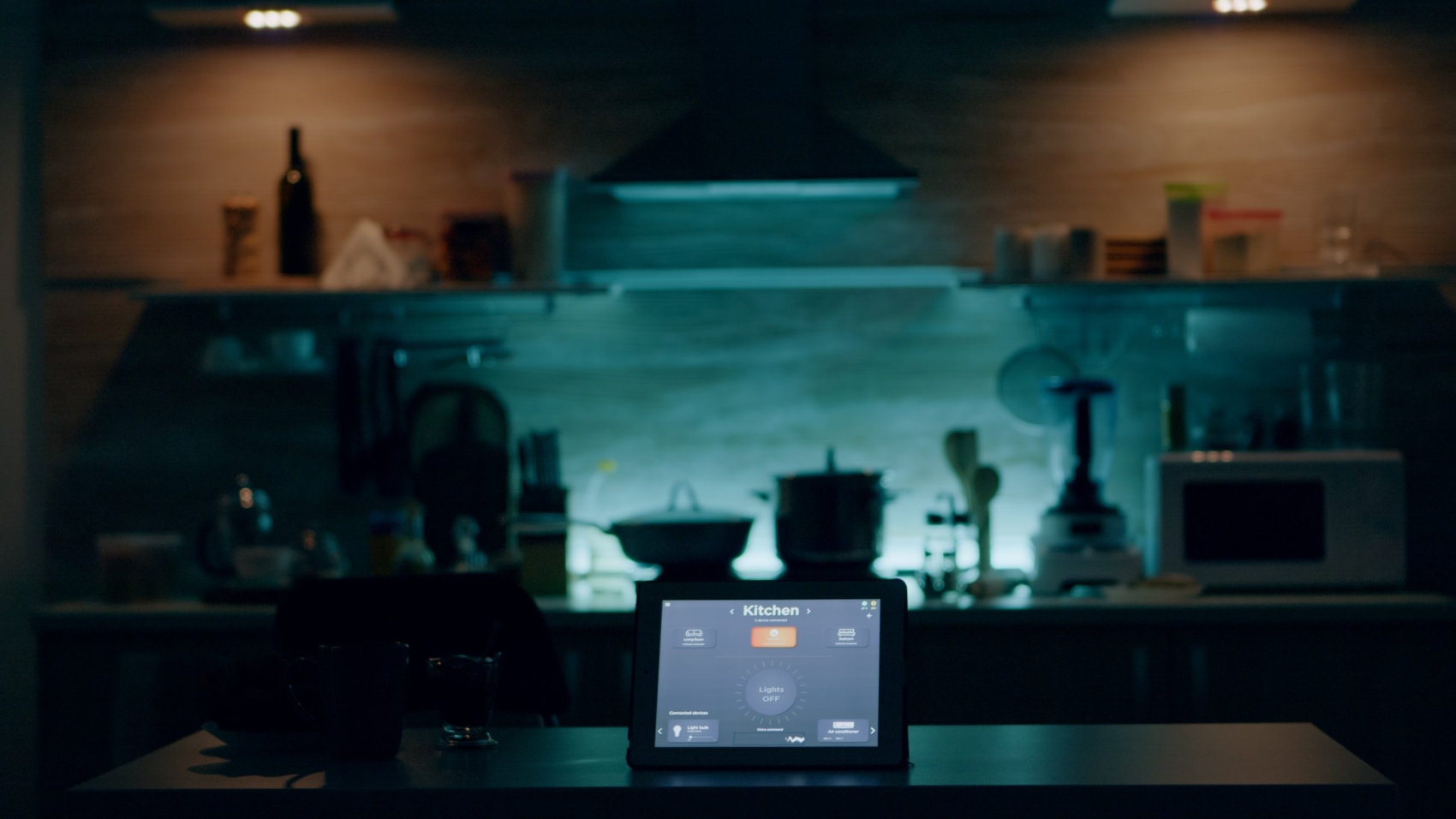
The Kitchen Gets a Digital Makeover

The kitchen has always been one of the most active spaces in a home. It is where meals are prepared, ingredients are organized, appliances are used, and everyday routines often overlap. As household technology has evolved, the kitchen has become one of the most interesting places for digital innovation.

Modern kitchen technology is not simply about adding screens to traditional appliances. It is about creating tools that can make preparation more organized, equipment easier to understand, and everyday cooking more connected to the people using the space.

The transformation is happening gradually, with familiar kitchen objects gaining capabilities that would have seemed unusual only a short time ago.

Appliances Are Becoming More Aware

Traditional kitchen appliances generally performed one task according to settings selected by the user. Connected appliances can provide additional information about their operation.

A modern oven, for example, may provide details about its current cycle, temperature, or remaining cooking time through a digital interface. Refrigerators can provide information about internal conditions or selected functions. Dishwashers and washing appliances can communicate when their cycles are complete.

This added visibility can make kitchen routines easier to follow.

Instead of repeatedly checking an appliance, users can receive information when something requires attention.

The Connected Refrigerator

The refrigerator has gradually become more than a cold storage cabinet.

Some modern models can monitor internal conditions, provide digital controls, organize information, and interact with other household systems.

One interesting development is the growing emphasis on food awareness. Digital systems can help users keep track of stored items, expiration information, or frequently used ingredients, depending on the equipment and software involved.

The broader idea is simple: the refrigerator becomes part of the information environment of the kitchen.

This does not eliminate the need for human judgment, but it can make certain details easier to track.

Smarter Cooking With Precision

Cooking often depends on precision.

Temperature, timing, measurements, and preparation sequences can all influence the result. Digital kitchen tools can make these factors easier to monitor.

Connected thermometers can provide detailed temperature readings. Digital scales can assist with accurate measurements. Smart ovens may offer more precise control over cooking conditions.

These tools are particularly interesting because they combine traditional cooking knowledge with modern measurement.

Rather than replacing technique, technology can give cooks better information while they develop and refine it.

The Rise of Guided Preparation

Digital cooking platforms can also change how people approach recipes.

Instead of reading a long set of instructions from beginning to end, users can follow step-by-step guidance while preparing a meal. Timers, measurements, ingredient lists, and cooking stages can be presented at the moment they become relevant.

This can reduce the amount of mental organization required during complicated preparation.

The kitchen becomes a place where information is available alongside physical ingredients and equipment.

Digital Scales Have a Bigger Role

A kitchen scale may seem like a very simple device, but connected versions can add another layer of functionality.

Precise measurements can be displayed digitally, stored within an application, or incorporated into guided cooking workflows.

This can be useful when preparing recipes that depend heavily on proportions.

For baking in particular, accurate measurement can have a major influence on consistency.

The value of digital measurement is therefore not novelty. It is repeatability.

Timers Without the Mental Load

Cooking often involves multiple tasks happening simultaneously.

Something may be baking while another ingredient is being prepared and another process requires attention. Digital timers can help coordinate these activities.

Connected kitchen systems can take this further by allowing several timers to be managed from one interface or by linking timing information with particular appliances.

This can make complicated preparation easier to organize.

The technology does not cook the meal by itself. It simply helps reduce the number of details a person has to remember at the same time.

Appliances That Communicate

One of the more practical developments in connected kitchens is improved communication between appliances and users.

A device can indicate that a cycle is finished, a setting has changed, or maintenance may be required.

These messages can reduce uncertainty.

Instead of repeatedly checking whether something is ready, users can wait for the equipment to communicate its status.

This is particularly helpful during busy periods when attention is divided among several tasks.

The Kitchen as an Information Center

The kitchen has always been a place where information comes together.

Shopping lists, recipes, meal schedules, calendars, timers, nutritional information, and household reminders can all become relevant there.

Digital displays and connected devices can bring some of this information into the physical environment.

A wall-mounted screen or compact display can provide a recipe while cooking, show a timer, or display a list without requiring a person to handle a phone with messy hands.

This creates a more practical relationship between digital information and physical activity.

Technology Meets Traditional Cooking

Despite all these developments, technology does not replace the human side of cooking.

Recipes still depend on taste. Ingredients vary. Techniques require judgment. Family traditions often involve methods that cannot be reduced to a digital instruction.

In many ways, this makes kitchen technology more interesting.

The most useful tools do not attempt to eliminate human involvement. They support the parts of cooking where precision, organization, and timing matter most while leaving creativity to the person preparing the meal.

Accessibility in the Kitchen

Digital controls can also make some kitchen activities easier to approach.

Large displays, voice interaction, clearer notifications, adjustable interfaces, and remote controls can reduce physical or visual barriers associated with certain appliances.

This can make kitchen technology more flexible for people with different needs.

Accessibility is increasingly becoming part of good technology design rather than a separate feature added afterward.

Maintenance Becomes Easier to Understand

Kitchen appliances require regular care.

Filters need attention, components may require cleaning, and certain systems need periodic maintenance. Modern connected equipment can make these requirements more visible through reminders or status information.

This does not remove the responsibility of maintaining an appliance, but it can make maintenance easier to remember.

A device that communicates what it needs can help prevent small issues from becoming unexpected problems.

A More Connected Cooking Experience

The digital kitchen is not defined by one spectacular invention.

Its transformation comes from many smaller improvements: clearer controls, more accurate measurements, better timing, useful notifications, connected appliances, and accessible information.

Together, these changes create a kitchen that can feel more organized without becoming impersonal.

The most successful technology remains in the background when it should and becomes visible when it has something useful to contribute.

The Future of the Everyday Kitchen

The kitchen of the future may not look dramatically different from the kitchen of today.

Cabinets, counters, ovens, refrigerators, and cooking utensils will still have familiar roles. What changes is the layer of intelligence surrounding them.

Appliances can communicate more clearly. Digital tools can reduce repetitive tasks. Information can appear exactly where it is needed. Precision can become easier to achieve.

Technology is therefore not replacing the traditional kitchen. It is adding another dimension to it.

The result is a space where old-fashioned creativity and modern digital capability can exist side by side—a kitchen that remains deeply human while becoming increasingly connected.


When Your Home Becomes a Personal Assistant

There was a time when interacting with household technology meant pressing a button, turning a dial, or searching for a remote control. Today, that relationship is becoming more conversational. People can speak to devices, ask questions, request actions, and create routines that reflect the way they actually live.

This evolution is changing more than the way commands are given. It is introducing a different philosophy of interaction in which technology can become a quiet assistant within the home.

From Commands to Conversations

Voice technology has moved beyond simple commands such as turning something on or off. Modern systems can understand a wider range of natural phrases, allowing people to interact with technology in a way that feels less mechanical.

Instead of remembering an exact command, a person can describe an intention. A request may involve several words or actions while still being interpreted by a connected assistant.

This makes technology more approachable for people who do not want to navigate complicated menus or applications.

The difference may appear small, but conversational interaction changes the relationship between the user and the device. The person no longer needs to think primarily in terms of what the machine can understand. The system attempts to understand what the person means.

The Rise of Context

One of the most interesting developments in home assistants is the growing importance of context.

A command does not always have the same meaning in every situation. The time of day, the location within the home, the devices already operating, and the sequence of previous requests can all influence what a person expects to happen.

Context-aware systems attempt to interpret these circumstances together.

For example, a request made in the evening may have a different purpose from the same request made during the morning. A command issued from a particular room may also relate to equipment located nearby.

Context allows interactions to become more natural because the user does not have to explain every detail each time.

Personal Routines Become Digital Shortcuts

Most households contain repeated sequences of actions.

A morning may involve several predictable steps. An evening may have another familiar pattern. Preparing for sleep, leaving the house, beginning work, or settling down for entertainment can all involve multiple small actions.

Digital assistants can turn these sequences into routines.

Instead of controlling every element separately, users can create a single trigger that represents an entire activity. The technology handles the individual steps behind the scenes.

The value is not simply speed. It is the removal of repetitive decisions.

When a routine has already been defined, there is less need to remember every individual action.

Voice Is Not the Only Interface

Although voice interaction is an important development, modern home assistants can combine several forms of control.

A person may use voice commands for convenience, a mobile application for detailed settings, and physical controls when immediate interaction is preferred.

This flexibility matters because no single interface is ideal for every situation.

Speaking aloud may be convenient while cooking, cleaning, or carrying something. A visual interface may be better when reviewing several settings. A physical button can remain the fastest option for a simple action.

The most natural systems therefore do not force users into one method of interaction.

Assistance for Everyday Tasks

The role of a home assistant can extend beyond controlling equipment.

Connected systems can provide reminders, answer general questions, organize certain household routines, communicate information from compatible devices, and help users keep track of activities.

This creates a broader concept of assistance.

The home is no longer simply a physical environment containing technology. It can also become a place where digital services are available through familiar forms of interaction.

However, useful assistance depends on restraint. A system that constantly interrupts, recommends, or communicates can become more distracting than helpful.

Designing for Different People

Households are rarely made up of people who interact with technology in exactly the same way.

One person may prefer voice commands. Another may prefer an application. Someone else may rely on physical controls because they find them more intuitive.

A flexible environment can accommodate these differences.

This is particularly relevant when technology is introduced into shared spaces. Devices should ideally support multiple interaction styles instead of assuming that every household member wants to use the same interface.

Personalization becomes more valuable when it respects individual preferences without making the system confusing for everyone else.

The Importance of Clear Feedback

When people communicate with a digital assistant, they need to know whether the request was understood.

Feedback can take different forms: a spoken response, visual indicator, sound, notification, or change in the device itself.

Good feedback provides confidence.

If someone asks for an action and receives no indication of what happened, uncertainty follows. Did the system understand the request? Is the device responding? Was the action completed?

Clear feedback helps make digital interaction feel dependable rather than mysterious.

The Challenge of Overcomplication

More intelligence does not automatically create a better experience.

A home assistant can support increasingly sophisticated routines, but complexity can also make systems difficult to understand. When too many rules overlap, unexpected results may occur.

For this reason, personalization works best when it remains transparent.

Users should be able to understand what their routines do, modify them when necessary, and return to simple manual controls whenever they choose.

Technology should reduce mental effort, not create another system that requires constant management.

A More Natural Relationship With Technology

The long-term development of home assistants is not simply about making devices capable of understanding more words.

It is about creating a more natural relationship between people and technology.

The most useful systems recognize that humans communicate through intentions, habits, context, and preferences. They do not always provide perfectly structured instructions.

As technology becomes better at interpreting these elements, interaction can become less mechanical.

The Home as a Responsive Companion

A personal assistant inside the home does not need to behave like a human or dominate the household experience. Its role can be much quieter.

It can remember a routine, respond to a request, provide useful information, or connect several actions through a single interaction.

The real progress lies in reducing the distance between what a person wants and what technology needs to be told.

When that distance becomes smaller, connected devices begin to feel less like separate machines and more like helpful parts of the environment.

That may ultimately be one of the most meaningful directions in modern home technology: creating systems that understand not only commands, but the everyday intentions behind them.

More Than Smart: Rethinking the Modern Home Experience

A modern home can contain connected appliances, intelligent controls, digital displays, automated systems, sensors, speakers, and countless small devices designed to make everyday life easier. Yet the number of technologies inside a home does not necessarily determine how intelligent that home feels.

A truly thoughtful smart home is not defined by how many devices it contains. It is defined by how naturally technology fits into the way people live.

This shift in perspective changes the conversation. Instead of asking which gadget should be added next, homeowners can begin asking a more meaningful question: what should the home make easier, more comfortable, or more enjoyable?

Technology as a Layer of the Home

For decades, technology was often treated as something separate from the physical environment. A television occupied one part of a room. A computer sat on a desk. Appliances performed individual tasks. Controls were attached to specific objects.

Connected technology is gradually creating another layer—one that exists across the home rather than inside a single device.

Lighting, entertainment, appliances, climate systems, security equipment, and everyday controls can increasingly interact within the same environment. This creates the possibility of designing the technological experience alongside the physical space instead of adding devices one at a time.

The distinction matters because good technology should feel like part of the home rather than an installation placed on top of it.

Fewer Distractions, More Intention

One of the challenges of modern technology is abundance. Almost every household task can potentially receive a digital solution, but that does not mean every task needs one.

Adding technology without a clear purpose can create clutter of another kind. Screens, notifications, applications, controls, and connected devices can compete for attention.

A thoughtful smart home takes a different approach.

Each technological element should have a reason to exist. Some devices may improve convenience. Others may make information easier to access. Some may create better control over the environment, while others simply make a familiar routine more enjoyable.

The goal is not maximum automation. It is meaningful integration.

The Home Should Still Feel Like Home

There is an emotional side to technology that is easy to overlook.

A home is not only a functional environment. It is where people develop routines, prepare meals, relax, entertain friends, read, listen to music, work, rest, and create memories. Technology becomes valuable when it supports those experiences without overwhelming them.

This is why physical design still matters.

A beautiful room does not become better simply because it contains more electronics. In some cases, the most successful technology is carefully integrated into the architecture and furniture so that it complements the character of the space.

Modern home design can therefore treat technology as part of the overall aesthetic rather than an afterthought.

Compatibility Matters More Than Novelty

Another important part of a mature smart home is how well its different elements coexist.

A collection of impressive devices can become frustrating if every product operates differently. Multiple interfaces, incompatible systems, separate controls, and disconnected experiences can make a technically advanced home surprisingly difficult to manage.

Interoperability is therefore becoming increasingly important.

When different technologies communicate effectively, the experience becomes more coherent. Homeowners can think about what they want to accomplish rather than which device needs to be controlled first.

This is an important transition from device-centered thinking to experience-centered design.

Good Technology Leaves Room for Choice

Automation can be useful, but complete automation is not always desirable.

People change their minds. Routines change. Circumstances change. A system that assumes it always knows what should happen can become restrictive rather than helpful.

A well-designed smart home should leave room for direct control.

Physical switches, manual controls, adjustable settings, and simple overrides remain valuable even in highly connected environments. Technology should expand a person’s choices rather than quietly remove them.

This balance creates a healthier relationship between people and automated systems. Convenience remains available, while personal control remains intact.

Designing for the Future Without Chasing It

Technology changes quickly. Devices that feel advanced today can become outdated as new standards, interfaces, and capabilities appear.

This makes long-term thinking especially important.

A smart home does not necessarily need to be built around the newest hardware available. Flexible infrastructure, replaceable components, adaptable systems, and widely supported technologies can create a foundation that evolves over time.

Future-ready design is therefore less about predicting exactly what will come next and more about avoiding unnecessary rigidity.

A home should be able to change without requiring a complete technological transformation every few years.

When Technology Fails

An often-overlooked characteristic of good technology is how gracefully it handles failure.

Internet connections disappear. Batteries run out. Software encounters errors. Devices become disconnected. Hardware eventually reaches the end of its useful life.

A well-designed home should remain usable when technology temporarily stops cooperating.

This means maintaining practical alternatives and avoiding situations where a simple household function depends entirely on a single digital system.

Reliability is not only about technology working perfectly. It is also about the home remaining functional when something does not work as expected.

The Value of Human-Centered Design

The most important element in a smart home is still the person using it.

Technology should adapt to human needs, physical spaces, personal routines, and changing circumstances. It should be understandable enough to use without constant explanation and flexible enough to accommodate different preferences.

This requires a shift away from asking what technology can do toward asking what people actually need.

The distinction sounds simple, but it can completely change the design process.

Instead of starting with a product, the process begins with an experience. Instead of adding a feature because it exists, the feature earns its place by solving a real problem. Instead of measuring success by the number of connected devices, success is measured by how naturally the home supports everyday life.

A Smarter Definition of Smart

The future of home technology may not belong to the homes with the most gadgets. It may belong to homes where technology has been chosen with greater intention.

A smart home can be sophisticated without feeling complicated. It can be connected without becoming dependent on screens. It can be automated while preserving personal control. It can embrace new technology without losing the character that makes a house feel personal.

That is a more meaningful definition of intelligence.

The real achievement is not turning every object into a digital device. It is creating an environment where technology, architecture, routine, comfort, and human choice work together naturally.

In that sense, the smartest home is not necessarily the one that does the most.

It is the one that makes everyday life feel a little more considered, a little more effortless, and a little more human.

Before the Breakdown: A New Approach to Home Maintenance

Home maintenance has traditionally been reactive. Something stops working, a strange noise appears, an appliance becomes less reliable, or a system suddenly refuses to perform as expected. Only then does attention turn toward inspection and repair. Modern home technology is beginning to change that sequence by making maintenance more observant, organized, and predictive.

Connected appliances and household systems can increasingly recognize signs that something is changing before a complete failure occurs. Instead of waiting for a visible problem, technology can help identify unusual behavior, repeated errors, declining performance, or conditions that may indicate developing wear. The goal is not to make a home dependent on technology, but to make it easier to understand what is happening behind the scenes.

From Sudden Failure to Early Awareness

Many household problems develop gradually. A component may become less efficient, a motor may begin operating differently, or an appliance may require longer cycles than it once did. These changes can be difficult to notice because they happen slowly.

Modern diagnostic technology can monitor patterns in equipment performance and identify deviations from normal operation. An appliance may recognize that a cycle is taking longer than usual, that a component is working harder, or that a particular error has appeared more frequently.

This creates a valuable middle ground between “everything works” and “something is broken.” A homeowner can become aware that attention may be needed while the equipment is still functioning.

That difference can completely change the maintenance experience. Instead of reacting to an emergency, maintenance becomes a planned part of caring for the home.

Appliances Are Becoming Better at Explaining Themselves

Traditional appliances often communicate through simple indicators: a light turns on, an error code appears, or a machine stops operating. Newer connected systems can provide more context.

Diagnostic features may record operating conditions, identify recurring errors, or distinguish between different types of problems. Rather than presenting a mysterious warning, a system can provide a clearer indication that a component needs inspection or that a particular maintenance task should be considered.

This does not eliminate the need for professional service when a technical problem occurs. Instead, it can improve the information available before that service begins.

Better information can also reduce unnecessary troubleshooting. Understanding what changed, when it changed, and how frequently it occurs can provide a more useful starting point than simply knowing that an appliance has stopped working.

Maintenance History Becomes a Useful Resource

Another important development is the growing role of digital maintenance records.

Homes contain many systems that require periodic attention, yet it is easy to forget when something was last inspected, cleaned, replaced, or serviced. A digital record can create a continuous history of household equipment.

Such records can help homeowners recognize patterns over time. If the same component repeatedly requires attention, that history may become relevant when deciding whether continued repair makes sense. If an appliance has maintained consistent performance for years, its history can provide useful context for future servicing.

A maintenance record can also make ownership less dependent on memory. Instead of trying to remember what happened months or years earlier, homeowners can refer to a structured history of previous work and observed issues.

The Difference Between Repair and Replacement

Predictive maintenance can also influence one of the most practical decisions in household management: whether to repair an existing appliance or replace it.

A single malfunction does not necessarily mean that an appliance has reached the end of its useful life. Likewise, repeated failures may indicate that continued repair is becoming less practical.

Technology can help make this decision more informed by bringing together operational history, previous service events, recurring problems, and signs of declining performance.

The technology itself does not need to make the decision. Its role can simply be to provide a clearer picture.

This is an important distinction. A smart maintenance system should support judgment rather than replace it. Homeowners still need to consider reliability, functionality, repairability, personal preferences, and the condition of the wider household system.

Maintenance Can Become Less Intimidating

Home maintenance is sometimes avoided because it feels technical or complicated. People may recognize that something seems unusual but hesitate to investigate because they do not know what the warning means.

Clear diagnostic interfaces can make these situations easier to understand. Instead of forcing homeowners to interpret unexplained symptoms, modern systems can organize relevant details into a more accessible format.

This can encourage earlier attention to small problems.

A strange sound, inconsistent performance, or recurring error may no longer be something that gets ignored until it becomes disruptive. When technology helps explain why something deserves attention, maintenance becomes a more understandable part of everyday home care.

Designing for Longer Equipment Life

Predictive maintenance is also connected to a broader idea: extending the useful life of household equipment.

Regular attention can help identify developing problems before they become severe. Cleaning, inspection, component replacement, calibration, and timely servicing may all contribute to more reliable operation.

This does not mean every appliance can or should be kept indefinitely. Every piece of equipment has a practical lifespan. The value of predictive technology is that it can make that lifespan easier to understand.

Instead of treating an appliance as something that works perfectly until the day it suddenly fails, homeowners can begin to see its condition as something that changes over time.

That perspective encourages a different relationship with household technology—one based less on replacement and more on understanding.

A More Organized Home Behind the Scenes

The most useful maintenance technology may not be the kind that demands attention every day. It can work quietly in the background, recording relevant events, recognizing unusual patterns, and making important details easier to find when they matter.

This can be particularly valuable in homes containing many different appliances and systems. Without some form of organization, maintenance can quickly become a collection of forgotten dates, scattered manuals, unexplained warning codes, and uncertain memories.

Digital tools can bring these details together.

The result is not necessarily a more complicated home. In many cases, it can be the opposite: fewer surprises, clearer records, and a better understanding of what requires attention.

The Next Step in Home Technology

Smart home development is often associated with convenience, automation, and connected devices. Maintenance introduces another dimension—awareness of the physical condition of the things that make everyday life possible.

A refrigerator, washing machine, heating system, ventilation unit, or other appliance does more than perform a task. Each contains moving parts, electrical components, sensors, and systems that gradually experience wear. Understanding that process can help homeowners respond before a minor change becomes a major interruption.

The future of home maintenance may therefore be less about fixing things faster and more about noticing them earlier.

A well-maintained home is not simply a collection of functioning appliances. It is a living environment where equipment is understood, records are organized, problems are addressed thoughtfully, and small signs are given attention before they become difficult ones.

Technology cannot remove every failure from everyday life. What it can do is change the timing of awareness.

And sometimes, knowing that something needs attention before it breaks is one of the most valuable forms of intelligence a home can have.

The Documents That Tell the Story of a Home

A house can communicate a great deal through its physical appearance, but some of its most important details exist on paper.

Documents can reveal previous work, ownership details, financial obligations, disclosures, repairs, permits, inspection findings, and other information that cannot be understood simply by walking through the rooms.

For a buyer, learning how to organize and interpret these materials can be just as important as evaluating the physical property.

Every Document Has a Different Purpose

Home-buying paperwork can feel overwhelming because many documents arrive during a relatively short period.

However, they do not all answer the same question.

Some describe the physical condition of the home.

Others explain the financing.

Some establish contractual responsibilities.

Others relate to ownership and the transfer of the home.

Understanding the purpose of each document makes the overall process easier to follow.

Read Before Signing

Documents should not be treated as formalities.

A signature can create legal or financial obligations, so buyers should take enough time to read and understand what they are agreeing to.

The CFPB specifically recommends reviewing closing documents carefully and asking questions when information does not match expectations.

This principle applies throughout the transaction, not only at the final table.

Compare Information Across Documents

Important details may appear in more than one place.

For example, information in earlier financing estimates can later be compared with final closing documents.

Inspection findings can be compared with seller disclosures and repair documentation.

Descriptions of completed improvements can sometimes be checked against available records.

Looking for consistency helps buyers identify questions that deserve clarification.

Renovations Have a History

A remodeled room may look entirely new, but its appearance does not explain how the work was completed.

When significant renovations are mentioned, buyers may want to understand what was changed, when the work occurred, and whether relevant documentation exists.

This can be particularly useful for major systems and structural modifications.

The objective is not to create unnecessary suspicion.

It is to understand the home’s history.

Disclosures Provide Context

Seller disclosures can provide information that may not be obvious during a viewing.

They can address known conditions, previous issues, repairs, or other matters depending on applicable requirements.

These documents should be read carefully rather than treated as background paperwork.

If a disclosure raises a question, that question can then be investigated through inspection, documentation, or professional advice.

Financial Documents Tell Another Story

For financed purchases, loan documents describe the financial structure of the transaction.

They contain terms that affect the buyer’s obligations, and those terms should be understood before signing.

The Closing Disclosure is particularly important because it presents final loan and closing details and is provided before closing for review in transactions where the form applies.

Comparing it with earlier documents can help identify differences that need explanation.

Keep Your Own Record

Digital files make document organization easier than ever.

Creating clearly labeled folders for inspections, financing, contracts, repairs, insurance, and closing documents can make future reference much simpler.

This becomes especially useful after moving in.

Years later, information about when a system was replaced or which repairs were completed may be valuable.

The home effectively develops a documentary history, and keeping that history organized can simplify future maintenance and ownership decisions.

Do Not Assume Familiar Words Mean Familiar Obligations

Legal and financial terminology can be deceptively simple.

A word that sounds familiar may have a specific meaning within a contract or financial document.

When a term is unclear, asking for an explanation is preferable to relying on assumptions.

The same principle applies to abbreviations, clauses, deadlines, and conditions.

Understanding the language before signing is part of responsible home buying.

Watch for Changes Near Closing

The final stage of a transaction deserves particular attention because details can change.

The CFPB advises buyers to compare final documents with earlier information and to ask about unexpected changes before signing.

This is also a period when fraudulent communications can appear convincing because buyers are already expecting frequent messages.

Independent verification of sensitive instructions is an important safeguard.

Documentation Creates Confidence

Paperwork may never be the most exciting part of buying a home.

Yet it provides something valuable: evidence.

Photographs show what a home looks like.

Inspections describe physical conditions.

Disclosures provide additional context.

Contracts define responsibilities.

Financing documents establish financial obligations.

Closing documents record the final transaction.

Together, these materials create a much more complete story than appearance alone.

A buyer who learns to read that story gains a deeper understanding of the home and the commitment being made.

When a Home Looks Better Than It Lives

Photography has changed the way people search for homes.

A carefully composed image can make a room appear larger, brighter, cleaner, and more inviting. Virtual tours can create an impressive sense of movement through a property. Staging can demonstrate how furniture might fit into a room.

These tools are useful, but they represent a curated version of reality.

A thoughtful buyer learns to move from visual appeal toward lived experience.

Photographs Have a Purpose

Listing photographs are intended to present a home attractively.

That does not make them misleading by definition. It simply means they are selected views.

A photograph rarely shows every corner of a room, every transition between spaces, or the practical relationship between rooms.

It also cannot communicate sound, smell, temperature, traffic patterns, storage limitations, or how the home feels during ordinary activity.

That is why photographs should begin the evaluation rather than finish it.

Look Beyond the Main Rooms

Marketing photography usually emphasizes the spaces most likely to create an immediate impression.

Buyers should also pay attention to less glamorous areas.

Where are mechanical systems located?

How accessible are utility spaces?

Where is laundry handled?

Is there practical storage?

How do bathrooms connect to bedrooms?

What does the entry look like?

Are there awkward transitional areas?

These details can influence daily life just as much as a beautifully renovated kitchen.

Imagine the Furniture You Already Own

Staging can make rooms look spacious and balanced.

One useful exercise is to mentally remove the staged furniture and imagine personal belongings instead.

Where would the sofa go?

Would the dining table fit?

Where would a desk be placed?

Would bedroom furniture leave enough walking space?

Could storage units fit without overwhelming the room?

This exercise helps transform a visually attractive room into a practical spatial calculation.

Notice What the Camera Does Not Show

During an in-person visit, look carefully at edges and transitions.

Inspect corners, ceilings, baseboards, window frames, flooring transitions, doors, closets, and utility areas.

These places can reveal details that are easy to overlook when attention is focused on the center of the room.

Again, a small observation is not automatically a defect.

The purpose is simply to build a fuller understanding of the physical environment.

Visit With Different Expectations

A home may feel completely different depending on the time of day and level of activity.

Morning light can create a different atmosphere from evening light. A quiet weekend can feel different from a normal weekday. Weather can influence how outdoor spaces and drainage behave.

When practical, considering different conditions can add useful perspective.

No single visit can reveal everything, but multiple perspectives can reduce the risk of forming an opinion around one carefully chosen moment.

Virtual Tours Have Limits

Digital tours are useful for narrowing a search, especially when many homes need to be considered.

They can help buyers understand layout, room relationships, and approximate proportions.

However, screens flatten certain experiences.

A camera may use a wide lens that makes a room appear larger. The screen cannot reproduce acoustic qualities or subtle smells. It may also hide areas that are outside the camera’s path.

Virtual viewing is therefore a valuable filter, but physical evaluation remains important when a home becomes a serious candidate.

The Exterior Matters Too

A home’s interior can dominate attention, but exterior conditions deserve their own evaluation.

Look at drainage, grading, roofing, exterior surfaces, walkways, entrances, landscaping, outdoor structures, and visible signs of wear.

Think about how these elements function rather than simply how they appear.

A beautifully landscaped yard may require significant ongoing care. A simple outdoor area may be easier to maintain and more suitable for the household.

Ask How the Home Will Feel on an Ordinary Tuesday

This may be the most useful question of all.

Not the day of the viewing.

Not the first evening after moving in.

An ordinary day.

Imagine waking up, preparing meals, working, cleaning, storing belongings, receiving deliveries, doing laundry, relaxing, and going to sleep.

Does the layout still make sense?

Does the home support those routines naturally?

The answer may reveal more than a staged photograph ever could.

Beauty Has Value, But Function Gives It Meaning

There is nothing wrong with wanting a beautiful home.

Visual appeal can contribute to enjoyment and personal satisfaction.

The key is recognizing that beauty and functionality serve different purposes.

A beautiful kitchen is more valuable when it is also practical.

An attractive bedroom is more useful when it supports rest.

A stylish living room becomes more meaningful when people actually enjoy spending time there.

The strongest homes combine appearance with everyday usability.

See the Home, Not the Presentation

A thoughtful buyer eventually needs to separate the presentation from the property itself.

The presentation may create excitement.

The property needs to withstand closer examination.

When buyers learn to look beyond staged rooms, polished photographs, and carefully selected angles, they begin to see the home as a physical environment rather than an image.

That shift can lead to more grounded expectations and a clearer understanding of what the home may actually be like to live in.

Tiny Gadgets, Remarkable Possibilities

Some of the most useful developments in home technology are surprisingly small. They may fit in a palm, attach to a wall, sit beside a power socket, or disappear almost completely into the background.

Unlike large household appliances, these compact devices rarely become the visual center of a room. Their value comes from solving small problems, adding convenient functions, or giving people greater control over ordinary objects.

Together, these modest pieces of technology are creating a new layer of functionality throughout the modern home.

Small Devices With Practical Purpose

A compact smart gadget does not need dozens of features to be useful.

A connected button can provide a quick way to trigger an action. A smart plug can add remote control to a compatible appliance. A small display can show useful household information without requiring a phone.

The appeal lies in simplicity.

These products can address individual inconveniences without requiring a complete technological redesign of the home. Instead of replacing an existing system, a small accessory can sometimes add an entirely new capability to something that is already being used.

Smart Plugs: A Simple Upgrade

Smart plugs are among the easiest examples of how a small accessory can change the behavior of an ordinary device.

They can allow compatible equipment to be switched remotely or according to predefined conditions. Some models can also monitor electrical consumption, giving users a clearer picture of how certain appliances operate.

The important idea is that the appliance itself does not necessarily need to be technologically advanced.

The smart functionality can come from the accessory placed between the device and its power source.

Of course, electrical specifications matter. Users should always confirm that the connected equipment is appropriate for the plug and follow relevant safety instructions.

Compact Displays and Information Panels

Not every piece of household information needs to be accessed through a phone.

Small connected displays can provide clocks, calendars, weather information, timers, reminders, media controls, or other useful data at a glance.

Their greatest advantage is visibility.

A person can quickly check something without unlocking a phone, opening an application, or navigating through a menu.

This can be particularly useful in rooms where people frequently need simple information, such as kitchens, workspaces, bedrooms, or shared living areas.

Buttons That Do More Than Press

Physical smart buttons offer another interesting approach.

A single button can be configured to perform an action or sequence of actions. One press might control lighting, another could activate a predefined household routine, while a long press could perform a different function.

This combines the familiarity of a traditional physical control with the flexibility of connected technology.

There is something appealing about this simplicity. Instead of asking users to interact with a screen every time, the technology can provide a physical shortcut.

Environmental Mini-Sensors

Small environmental sensors can reveal information that would otherwise remain unnoticed.

Compact devices can monitor conditions such as temperature, humidity, brightness, or air quality depending on their capabilities.

Their physical size allows them to be placed in locations where larger equipment would be impractical.

The resulting information can help people understand how different areas of a home behave throughout the day. A room that feels comfortable in the morning may become considerably different later, while another area may consistently experience higher humidity.

The sensor itself may be tiny, but the information it provides can be surprisingly valuable.

Smart Trackers Around the Home

Connected trackers can help locate commonly misplaced objects or monitor the presence of certain items.

Keys, bags, remotes, equipment cases, and other everyday objects are easy to lose because they move constantly between rooms.

A small tracking device can reduce the time spent searching for them.

The broader significance is that smart technology does not always have to control something. Sometimes its role is simply to help people keep track of the physical things they already own.

Digital Timers and Scheduling Tools

Simple scheduling devices can also provide useful functionality.

Timers can help manage repetitive activities, remind users about recurring tasks, or control compatible equipment according to a predetermined schedule.

Unlike complex systems, these tools are easy to understand because their purpose is clearly defined.

This makes them a good example of how effective technology does not always require sophisticated interfaces.

Portable Technology Creates Flexibility

Small devices are often easier to move than larger connected equipment.

A compact speaker can travel from one room to another. A small display can be repositioned as household needs change. A portable environmental monitor can be used in different areas to compare conditions.

This flexibility gives households more opportunities to experiment with technology without permanently changing the physical environment.

It also makes small gadgets useful during periods of transition, such as reorganizing furniture or changing the purpose of a room.

The Value of Add-On Technology

One of the most interesting characteristics of compact smart devices is their ability to extend existing equipment.

People do not necessarily need to replace every traditional product to introduce connected functionality.

An accessory can sometimes bridge the gap between older equipment and newer digital systems.

This creates a gradual path toward modernization. Instead of treating a home as outdated because some devices are traditional, users can selectively introduce technology where it provides meaningful benefits.

Less Hardware, More Possibility

Small gadgets also demonstrate how much functionality can now fit into remarkably compact hardware.

Miniaturized processors, wireless communication components, efficient batteries, and increasingly capable software have made it possible to place advanced functionality inside devices that occupy very little physical space.

The result is a different relationship between technology and interior design.

Smart equipment does not always need to dominate the room. It can exist quietly alongside furniture, décor, and everyday objects.

Avoiding Gadget Overload

There is one important consideration when introducing small devices: quantity can quickly become complexity.

A single useful accessory can simplify a routine. Dozens of unrelated gadgets can create another layer of things to manage.

For that reason, each device should have a clear purpose.

A useful question is simple: does this gadget solve a recurring problem, provide information that matters, or make an existing activity easier?

If the answer is yes, its small size can be a genuine advantage. If not, adding another connected object may simply create more digital clutter.

Small Technology, Bigger Possibilities

The significance of compact smart gadgets is not their size alone. It is the way they allow technology to enter everyday life without demanding major changes.

A small button, sensor, plug, tracker, or display can address a specific need while fitting naturally into an existing environment.

These devices show that the evolution of the smart home does not depend entirely on large appliances or sophisticated systems.

Sometimes meaningful progress arrives in a package small enough to fit in the palm of a hand.

Building a Home Search Around Real Priorities

Searching for a home can easily become an endless stream of listings, photographs, descriptions, floor plans, and quick decisions. With so many possibilities available, it is tempting to begin with appearance and work backward toward practicality.

A more thoughtful approach starts somewhere else: with priorities.

Before comparing individual homes, it helps to understand what daily life actually requires. A clear set of priorities can make the search more focused while also making it easier to recognize when an attractive home does not truly fit.

Start With Everyday Life

The right questions are often surprisingly ordinary.

How much time is spent cooking? Is working from home part of the routine? Are quiet rooms important? Is outdoor space regularly used? Does storage matter more than an additional decorative room?

These details create a practical picture of what the home needs to accomplish.

A floor plan that looks impressive on paper may not support the way a household actually functions. Meanwhile, a less dramatic layout may prove highly effective because its rooms are positioned around real routines.

The home search becomes clearer when everyday life is treated as the starting point.

Separate Essentials From Preferences

Not every desirable feature has the same importance.

An essential feature may be something that significantly affects daily function, while a preference may simply make a home more appealing. Confusing these categories can make the search unnecessarily difficult.

Creating three groups can help:

Must have: characteristics that are genuinely necessary.

Strong preference: features that would improve the experience but are not fundamental.

Nice to have: additions that would be enjoyable but should not dominate the decision.

This simple distinction creates flexibility without losing direction.

Think About the Future Without Overplanning

A home is purchased for the present, but it is also lived in over time.

Work arrangements can change. Household needs can evolve. Furniture collections grow. Hobbies develop. Family circumstances shift.

The goal is not to predict every future event. Instead, consider whether the home’s basic structure has enough flexibility to accommodate reasonable change.

A room that works as an office today might eventually become a guest room. A spare area might become storage, a creative space, or another functional zone.

Adaptability can sometimes be more valuable than a highly specialized layout.

Understand the Importance of Location Without Reducing Everything to It

Where a home sits within its surrounding environment can influence everyday convenience, but location should be considered through practical patterns rather than vague impressions.

Think about access to routine destinations, transportation, shopping, recreation, schools when relevant, and other places that form part of everyday life.

Time matters as much as distance.

A destination that looks close on a map may be inconvenient during normal daily schedules. Conversely, a slightly greater distance may be manageable if access is straightforward and predictable.

The important point is to evaluate the surrounding environment according to actual routines rather than relying solely on visual impressions.

Compare Homes Using the Same Questions

When several homes are viewed separately, memory can become unreliable.

One property may have a memorable kitchen. Another may have a larger yard. A third may have better storage. Without consistent criteria, the most visually striking feature can dominate the comparison.

Using the same set of questions for each home creates a more balanced picture.

How functional is the layout?

What is the condition of major components?

How much maintenance appears necessary?

Does the space accommodate daily routines?

What changes would be needed?

How well does the home align with long-term priorities?

The goal is not to produce a mathematical score. It is to make comparisons easier to understand.

Avoid Designing the Search Around One Feature

A single feature can become disproportionately important.

Large windows, a spacious kitchen, a garage, a particular room arrangement, or an attractive exterior can become the reason a buyer repeatedly overlooks other considerations.

A stronger approach is to view the home as a system.

One outstanding feature cannot necessarily compensate for a poor layout, difficult maintenance requirements, inadequate storage, or major functional limitations.

Likewise, a home does not need to be perfect in every category to be practical.

The broader question is whether its strengths and limitations fit the buyer’s actual priorities.

Build Room for Reality

Home searches sometimes begin with an idealized picture of what life should look like. That picture can be useful, but it may not reflect ordinary routines.

Consider where shoes actually go. Where packages are placed. Where groceries are unloaded. Where coats are stored. Where laundry happens. Where people naturally gather.

These small details reveal how a home behaves during everyday life.

A property can photograph beautifully while creating friction in dozens of small moments. Another may have fewer dramatic features but support daily routines almost effortlessly.

Professional home-buying support often means bringing these practical questions into the conversation.

The Search Becomes Clearer With Discipline

A focused search is not necessarily a narrower search. It is a more intentional one.

Once priorities are clear, unnecessary distractions become easier to recognize. Listings can be evaluated according to meaningful criteria instead of emotional momentum.

This also creates a healthier relationship with the search itself.

Rather than asking, “Which home looks most impressive?” the question becomes, “Which environment makes sense for the life I actually want to live?”

That shift can make the process calmer and more precise.

Finding Fit Instead of Chasing Perfection

No home is likely to satisfy every preference.

The purpose of establishing priorities is not to find a flawless property. It is to understand which compromises are reasonable and which would create lasting frustration.

A thoughtful buyer can accept cosmetic imperfections when the layout is excellent, or accept a smaller room when the home’s overall functionality is strong.

The key is knowing which compromises are easy to live with and which ones affect fundamental needs.

A successful home search therefore begins long before the final choice. It starts with understanding the person, the routines, the priorities, and the practical realities that the home will need to support.

Once those elements are clear, the search becomes less about chasing possibilities and more about recognizing genuine fit.

Understanding the People Around a Home Purchase

Buying a home rarely involves only one person or one decision.

Even when a buyer is making the final choice, the process can involve lenders, inspectors, agents, attorneys, settlement professionals, contractors, insurance providers, and other specialists.

Each person may have a different responsibility.

Understanding those roles can make the buying process easier to navigate and can help buyers recognize which questions belong with which professional.

Different Professionals See Different Parts of the Picture

No single professional necessarily evaluates every aspect of a home purchase.

An inspector focuses on physical condition.

A lender focuses on financing.

A title or settlement professional handles important aspects of the transfer and closing process.

An agent may assist with searching, negotiations, contracts, and transaction coordination depending on the arrangement.

Other specialists may become involved when specific technical questions arise.

Recognizing these boundaries helps prevent confusion.

Ask Who Represents Whom

Representation matters because different participants can have different responsibilities and interests.

Buyers should understand who a professional represents, what services are being provided, and how that relationship works.

This is especially important when the same professional or organization may be involved with different parties in a transaction.

The CFPB advises homebuyers to ask who a real estate agent represents and to understand how that relationship operates.

Clear expectations at the beginning can prevent misunderstandings later.

Know When to Seek Specialized Knowledge

A general home inspection may identify a concern without answering every technical question.

For example, an inspector may recommend further evaluation of a roof, electrical system, foundation, heating equipment, drainage issue, or other specialized component.

That does not mean the initial inspection was incomplete.

It reflects the reality that different systems require different forms of expertise.

Knowing when to involve another professional is part of responsible home evaluation.

Communication Is a Practical Skill

The buying process generates many questions.

Instead of trying to remember everything, buyers can organize questions by topic.

Financial questions can go to the appropriate lending professional.

Contract questions may require legal or transaction-specific expertise.

Physical-condition questions may belong with an inspector or specialist.

Questions about ownership documents may involve title or settlement professionals.

This simple organization can reduce confusion and make conversations more productive.

Keep Important Information Together

Home buying produces documents at nearly every stage.

Inspection reports, disclosures, financing documents, estimates, contracts, receipts, repair records, and closing paperwork may all become relevant later.

Keeping these materials organized can make the process easier to follow.

It also creates a useful record after closing.

The CFPB recommends keeping final purchase and loan documents after closing so homeowners can refer to them later.

Do Not Be Afraid to Ask for Clarification

Technical language can make ordinary decisions feel more complicated than they actually are.

If a document contains an unfamiliar term, ask what it means.

If a professional makes a recommendation, ask why.

If two pieces of information appear inconsistent, ask for an explanation.

Questions are not interruptions to the buying process. They are part of understanding it.

A professional who communicates clearly should be able to explain the relevant issue in understandable terms or direct the buyer to someone who can.

Be Careful With Last-Minute Instructions

The final stages of a purchase can involve urgent communication about documents, signatures, funds, or closing logistics.

That makes verification particularly important.

The CFPB warns that mortgage closing scams can involve fraudulent last-minute changes to payment instructions. Buyers should independently verify sensitive instructions through trusted channels rather than relying solely on a new message.

This is a good example of why careful communication matters even when the transaction appears nearly complete.

The Buyer Remains at the Center

Professionals can provide expertise, but the buyer still needs to understand the major decisions being made.

Delegating technical tasks does not mean giving up awareness.

A buyer should know what has been inspected, what documents are being signed, what financial commitments are being made, and what unresolved questions remain.

That awareness creates a stronger foundation for the final decision.

A Coordinated Process Is Easier to Understand

Home buying can feel complicated because several professional roles overlap.

The solution is not to become an expert in every field.

It is to understand enough about each role to know what information matters, who can provide it, and when it needs to be addressed.

With that structure in place, the process becomes less like a collection of disconnected tasks and more like a coordinated sequence.

Professional support is most useful when it makes the buyer’s understanding clearer—not when it replaces the buyer’s involvement.